

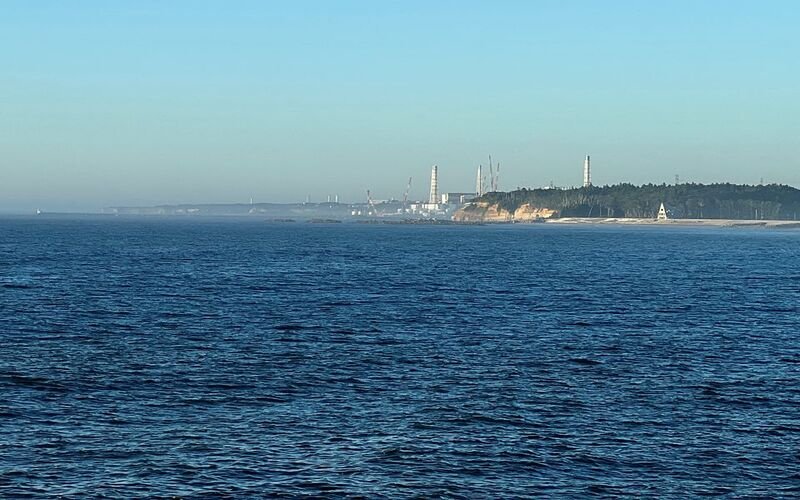
Japan is considering taking action through the World Trade Organization (WTO) in response to China’s ban on seafood imports from Fukushima and surrounding regions. This trade dispute stems from concerns related to the Fukushima nuclear disaster, and it has significant implications for Japan’s seafood industry and its trade relations with China. In this article, we delve into the details of this trade dispute, the reasons behind it, and the potential consequences.
The Seafood Import Ban
1. Geographic Restrictions
China’s seafood import ban specifically targets products from Fukushima and nearby regions. This ban has existed for several years following the Fukushima nuclear disaster 2011.
2. Concerns Over Radiation
The ban is rooted in concerns over potential radiation contamination in seafood from these areas. Despite Japan’s assurances about the safety of its seafood, China has maintained the restrictions.
Japan’s Response
1. Diplomatic Efforts
Japan has engaged in diplomatic efforts to persuade China to lift the ban. This includes providing scientific evidence and safety measures to ensure the quality of its seafood exports.
2. WTO Action Consideration
As diplomatic efforts have not yielded results, Japan is contemplating taking the matter to the WTO. This would involve filing a complaint against China’s ban on the grounds of trade discrimination.
Reasons Behind the Ban
1. Safety Concerns
China’s ban on seafood from Fukushima and neighboring regions reflects its safety concerns regarding potential radiation contamination. These concerns are paramount in food safety regulations.
2. Lingering Fukushima Legacy
The Fukushima nuclear disaster had a lasting impact on the perception of food safety domestically and internationally. Japan has been working to regain trust in its food exports.
Potential Consequences
1. Trade Impact
The trade dispute can affect Japan’s seafood industry, which heavily relies on exports. A resolution would be beneficial for Japanese seafood producers.
2. Diplomatic Relations
The dispute can strain diplomatic relations between Japan and China. Both countries have significant economic ties, making it important to resolve trade disputes amicably.
3. Global Trade Norms
The case could set a precedent for how countries handle trade disputes related to safety concerns. It highlights the importance of adhering to WTO rules in resolving such issues.
Conclusion
Japan’s contemplation of WTO action over China’s Fukushima-driven seafood import ban underscores the complexities of trade disputes rooted in safety concerns. While both countries desire to ensure their citizens’ safety, this trade dispute has implications for Japan’s seafood industry and the broader trade relationship between Japan and China.
Resolving the dispute diplomatically or within the framework of the WTO will be crucial in addressing safety concerns while minimizing the trade impact on Japan’s seafood industry. The outcome will also shape how global trade norms are applied in cases where safety concerns intersect with international trade.

