

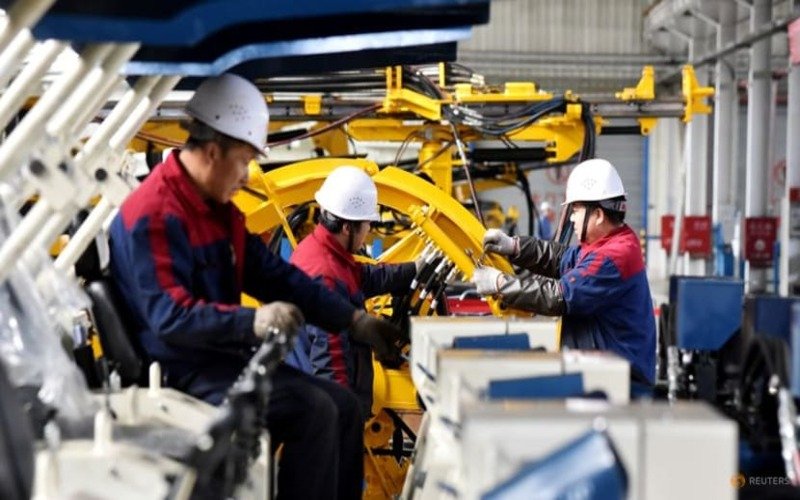
China’s factory activity likely extended its decline in August. China, a global economic powerhouse, faces challenges in its manufacturing sector as factory activity is anticipated to extend its decline in August. This trend has far-reaching implications, not only for China’s economy but also for the global supply chain and trade dynamics. In this article, we delve into the details of China’s declining factory activity, its potential reasons, and its broader impact on the economy.
Declining Factory Activity
1. Persistent Contraction
China’s factory activity has been contracting over the past several months. This contraction is measured by the Purchasing Managers’ Index (PMI), which has consistently fallen below the critical 50-point mark, indicating a contractionary phase.
2. Impact on Output
The declining factory activity directly impacts the production of goods and manufacturing output, affecting various industries, including electronics, textiles, and machinery.
Potential Reasons
1. Supply Chain Disruptions
Global supply chain disruptions have hampered manufacturing processes, including the shortage of critical components and raw materials. This has led to delays and reduced factory output.
2. Regulatory Changes
China has implemented various regulatory changes in sectors such as technology and education. These changes may have contributed to business uncertainty, affecting investment and production decisions.
3. Energy Shortages
Energy shortages in some regions of China have resulted in production halts and reduced factory operations. Factors like environmental restrictions and supply-side challenges have played a role in these shortages.
Broader Economic Impact
1. Slowdown in Economic Growth
The declining factory activity contributes to China’s economic growth slowdown. A contraction in manufacturing can drag down overall economic performance.
2. Global Supply Chain
China plays a crucial role in the global supply chain. Any disruption in its manufacturing sector can have a ripple effect on supply chains worldwide, affecting businesses and consumers globally.
3. Policy Responses
Chinese authorities are closely monitoring the situation and may implement policy measures to address the challenges the manufacturing sector faces.
Conclusion
China’s declining factory activity in August reflects ongoing challenges in its manufacturing sector. While various factors, including supply chain disruptions and regulatory changes, have contributed to this decline, the situation is closely watched for its broader economic impact.
The ability of Chinese authorities to navigate these challenges and implement effective policy responses will be pivotal in stabilizing factory activity and ensuring sustained economic growth. The outcome will shape China’s economic trajectory and influence global trade dynamics and supply chain resilience.

