

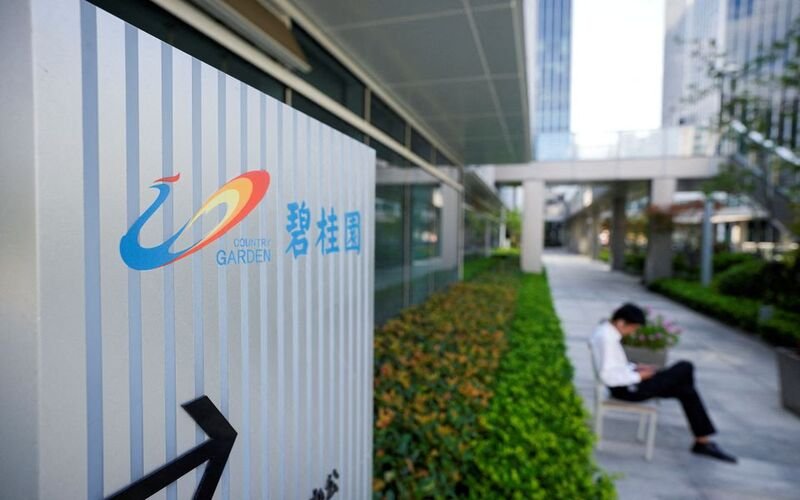
Country Garden Holdings, one of China’s largest and most prominent property developers, is poised to report a financial loss, prompting scrutiny of the company’s cash flow and financial stability. This development reflects ongoing challenges within China’s real estate sector, with potential ripple effects on the broader economy. This article delves into Country Garden’s anticipated loss, implications, and the broader context of China’s property market.
Country Garden’s Financial Loss
1. Significant Loss Projection
Country Garden is expected to report a substantial financial loss in its upcoming financial statements. This loss is indicative of the challenges faced by the company in the current economic environment.
2. Real Estate Market Dynamics
The loss is closely tied to China’s real estate market, which has been experiencing fluctuations and regulatory changes, impacting property developers like Country Garden.
Implications of the Loss
1. Cash Flow Concerns
Country Garden’s financial loss raises concerns about its cash flow and ability to meet its financial obligations, including debt servicing and project funding.
2. Industry-Wide Impact
The challenges faced by Country Garden are not unique, as China’s broader property sector contends with regulatory tightening and efforts to control debt levels. The industry’s health has implications for the country’s economic stability.
3. Government Policy
China’s government has been implementing measures to curb excessive debt and speculation in the real estate market. Country Garden’s loss could influence government policy decisions in this regard.
Broader Real Estate Context
1. Regulatory Changes
China’s government has introduced regulatory changes to address concerns about property market speculation and excessive debt within the real estate sector.
2. Economic Significance
Real estate has been a significant driver of China’s economic growth. The sector’s challenges have implications for the country’s economic performance.
3. Global Property Markets
China’s property market developments can also impact international property markets, given China’s role as a major player in global real estate investment.
Conclusion
Country Garden’s anticipated financial loss underscores the ongoing challenges within China’s real estate sector. As the company navigates this turbulent period, attention will focus on its ability to manage cash flow, service debt, and adapt to evolving regulatory conditions.
The outcome will impact Country Garden’s future and contribute to shaping government policies and influencing the health of China’s real estate market, with potential repercussions in global property markets. The situation highlights the intricate relationship between China’s property sector, economic stability, and regulatory dynamics.

